Commercial Sexual Exploitation
The Situation
AN ESTIMATED 5 MILLION PEOPLE GLOBALLY, MANY OF WHOM ARE CHILDREN, ARE VICTIMS OF COMMERCIAL SEXUAL EXPLOITATION (CSE).
While organizations around the world conduct frequent rescues, operations are unable to reach sufficient scale to sustainably reduce these numbers and traffickers continue to operate with impunity. Criminal justice systems often fail to convict traffickers because of underdeveloped investigative techniques or lack of prosecutors or judges with experience in anti-trafficking law. Throughout the legal process, victims are often re-traumatized or are not provided with proper protection. Integrated survivor care that meets the full range of survivor needs is uncommon and there are few existing proven mechanisms matching the scale of the need to successfully place survivors into market-based jobs.
What We're Doing
TO MAKE A SUSTAINABLE IMPACT IN THE FIGHT AGAINST SEX TRAFFICKING, GFEMS IS DEPLOYING AND TESTING MODELS OF SYSTEMIC CHANGE.
To reduce the supply of vulnerable individuals, GFEMS is funding new types of behavior change communication that enable vulnerable individuals and communities to recognize and avoid trafficker deception. The Fund is also investing in survivor care to promote rehabilitation and prevent re-trafficking.
To reduce the demand for illicit CSE, GFEMS is pursuing methods for effective deterrence messaging for buyers.
To constrain the enabling environment, GFEMS is working to sustainably transform criminal justice approaches across targeted geographies by building dedicated local capacity to combat trafficking tactics and demonstrating victim-friendly and effective protection systems for survivors.
GFEMS and its partners are documenting the necessary public (and private) sector investments to sustain this systems transformation. Across all of these activities, we are rigorously testing the theory that reducing the availability of vulnerable individuals and more effectively investigating and prosecuting traffickers harms their business operations, making them economically unprofitable and ultimately reducing prevalence.
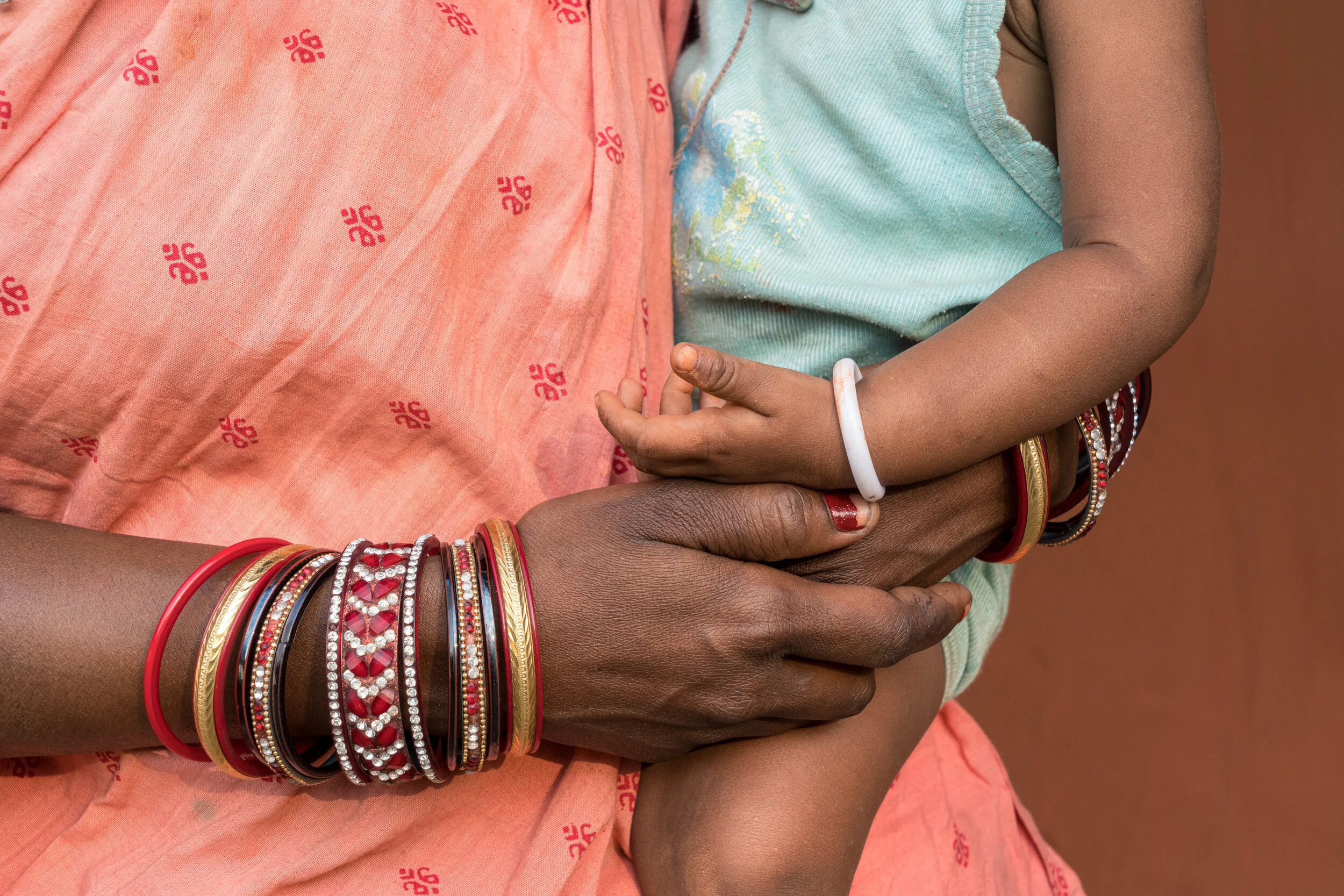
We promote coordinated responses from rescue to reintegration and foster sustainable, locally owned solutions
Program Spotlights
GFEMS currently targets CSE:
KENYA
UGANDA
VIETNAM
INDIA
BANGLADESH
and scoping potential for financial sector tools to fight CSEC in:
THE PHILLIPINES
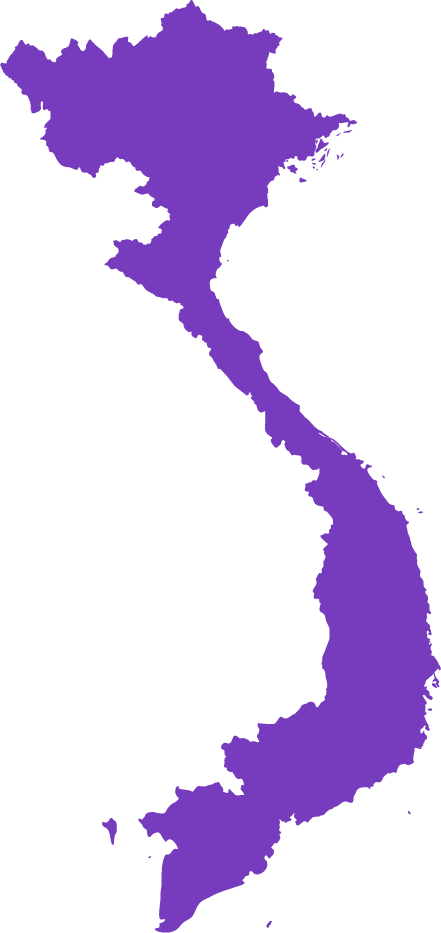
SEX TRAFFICKING FROM NORTHERN VIETNAM
DISRUPTING TRAFFICKERS AT THE SOURCE
Ethnic minority women in northern Vietnam, including minors, are at high risk of being trafficked across the northern border for sexual exploitation and/or forced marriage. Sex trafficking operations in the northern provinces are small-scale, therefore an effective implementation of new anti-trafficking laws can dismantle the enabling environment and create a powerful deterrent for traffickers.
GFEMS is working successfully with Blue Dragon Children’s Foundation to assist law enforcement with rescues and to conduct community outreach in at-risk communities in Vietnam. Now, at the invitation of local government partners, Blue Dragon is building investigation and prosecution capacity in the local criminal justice system that can be replicated across other provinces for maximum impact and sustainability. Alongside these rule-of-law efforts, Blue Dragon tests leading-edge models of targeted and customized prevention activities to reduce the supply of vulnerable individuals, raising awareness of trafficker tactics in local villages and addressing the economic deprivations that often lead the highest risk individuals into trafficking situations.
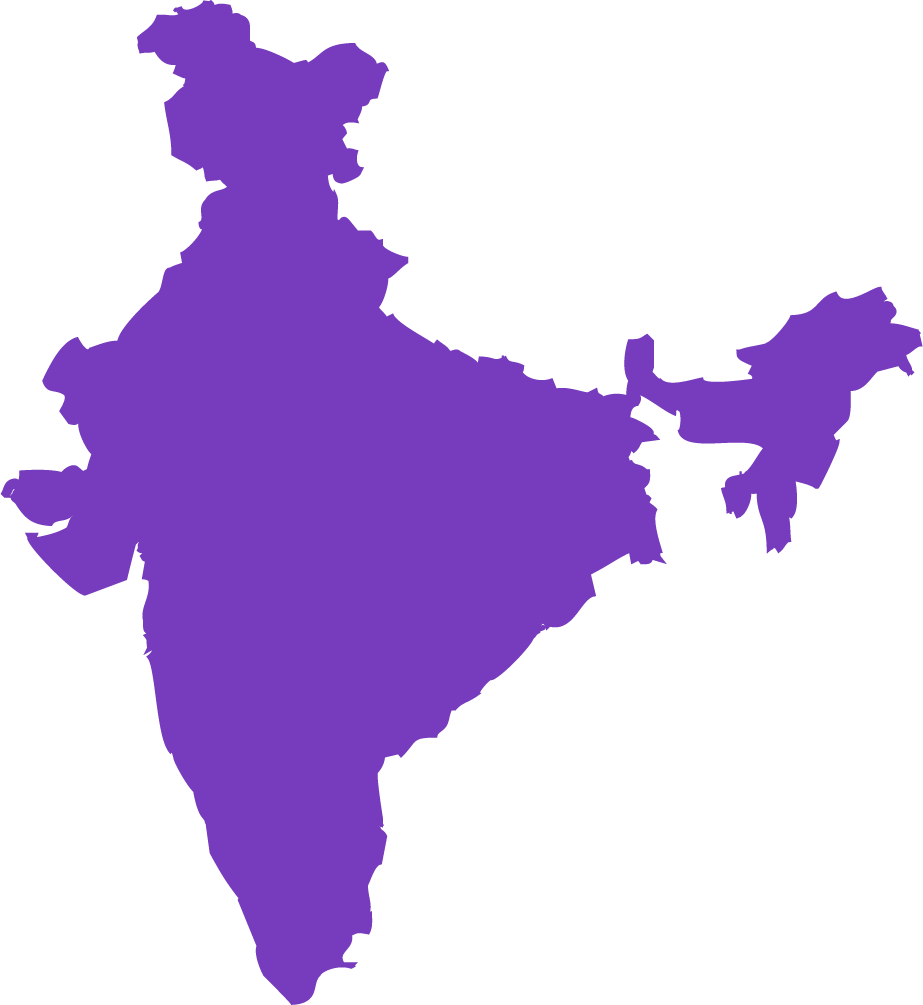
CSE and CSEC IN MAHARASHTRA, INDIA
In India, commercial sexual exploitation of children (CSEC) is increasingly online-enabled and occurring in private spaces, putting new demands on law enforcement’s ability to respond to the changing nature of the crime. Simultaneously, care provided for survivors has varied ability to restore survivors and deliver justice. The state of Maharashtra has been a hotspot for CSEC, but also a leading state in efforts to combat the problem. Dedicated anti-human trafficking units (AHTUs) have been operationalized state-wide and marked changes have been seen in Mumbai’s red light districts over the past two decades.
GFEMS and its partners are working closely with the government to adapt to changing trafficker tactics and replicate criminal justice system improvements in secondary cities and rural parts of the state.
PARTNERING WITH GOVERNMENT TO DRAW A RED LINE ON CSEC IN DESTINATION AREAS
With the support of local government units looking to enforce child protection laws in their communities, GFEMS is working to upgrade key anti-trafficking institutions and dismantle the enabling environment throughout the state. Working closely with Prerana, Save the Children India (STCI) and IJM, these three organizations represent decades of collective experience in:
Enhancing police and AHTU performance,
Training prosecutors and judges to increase conviction rates,
Building child welfare apparatus,
Mobilizing communities for collective action,
Restoring and reintegrating survivors, and
Introducing victim-friendly processes throughout the system.
GFEMS is facilitating joint efforts between our partners and is coordinating their interventions to maximize their strengths, magnify impact, and reach as many CSEC hotspots within Maharashtra as possible.
The Maharashtra programs will demonstrate models for strengthening criminal justice systems and trauma-informed survivor restoration that are replicable across other states in India.
Behavior change communication and restoration of survivors in source communities
Many victims rescued in Maharashtra (MH) come from rural villages in India or across borders, such as Bangladesh. Traffickers take advantage of vulnerable families, often known to them, who make false migration and employment offers. Unfortunately, there is limited evidence to date on effective awareness raising approaches. GFEMS partner Seefar, along with My Choices Foundation, will rigorously test behavior change communication methods to inform a highly scalable prevention model in rural West Bengal, a major source area for victims of CSE found in MH. Just across the border in Bangladesh, Justice and Care will work to address the massive gap in reintegration support to victims who are identified in India and repatriated. Additionally, the project will train other service providers in trauma-informed care, increasing the number of organizations capable of properly assisting survivors.
SCALING PATHWAYS FOR SURVIVORS TO ACCESS MARKET-BASED JOBS
After being rescued and receiving care for their immediate needs, many survivors still find themselves at a dead end when it comes to getting jobs that can set them on a path towards sustainable reintegration. Self-employment and cottage industry training can help some survivors, but providing alternative livelihoods at scale requires creating a pathway for survivors into market-based jobs in the formal economy. YCI is working with global hotel brands operating in India to demonstrate one of the first models of a demand-driven pathway in the developing world. The project will integrate survivors into an existing program that trains and places at-risk youth into formal jobs in the hospitality industry, charting a path to expand these efforts exponentially.
In India, GFEMS is working with Seefar to deliver trauma-informed counseling and psychosocial programs to survivors of CSE and their families. Participants will follow Seefar’s LIFT model: (1) Adaptive Counseling, (2) Personal Incentive Training, and (3) Freelancer Skills Training. This three-tiered intervention aims to break intergenerational cycles of vulnerability and trauma by cultivating entrepreneurship and creating long term income-generation for survivors. The project design is based on robust evidence from psychology, livelihoods experiments, and programming with and for vulnerable people, enabling survivors to thrive in jobs and decrease their vulnerability in a matter of months.